See exactly how a 0.25% rate change impacts monthly repayments across different loan sizes and terms.
How much will my repayments go up if rates rise 0.25%?
Use the calculator below to see your specific impact, then ask Bheja.ai to calculate your new repayment.
Rate change calculator
| Loan Amount | +0.25% Monthly | +0.50% Monthly |
|---|---|---|
| $400k | +$65 | +$130 |
| $500k | +$81 | +$163 |
| $600k | +$97 | +$195 |
| $750k | +$121 | +$244 |
| $1000k | +$162 | +$325 |
*Based on 30-year loan at 6.0% variable rate
Understanding the impact on your budget
A rate change might seem small in percentage terms, but the dollar impact on your monthly budget can be significant, especially for larger loans. The table above shows indicative changes based on standard principal and interest loans.
Key things to note:
- Actual changes depend on your lender's margin and whether they pass on the full rate change
- Interest-only loans will see smaller monthly changes but pay more interest overall
- Fixed rate portions of split loans won't change until the fixed term expires
How lenders apply rate changes
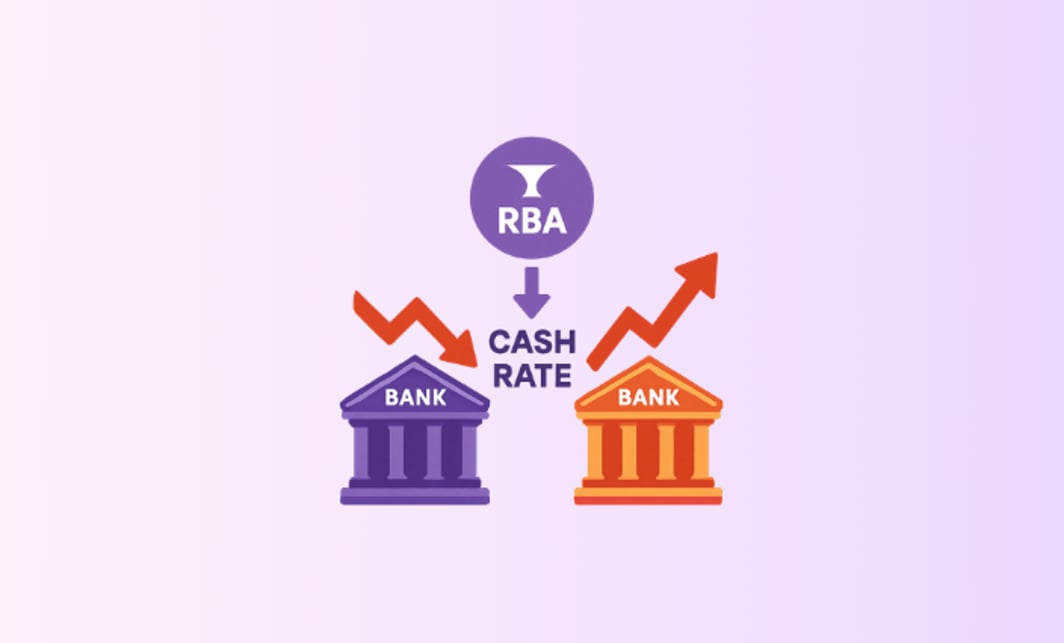
Lenders don’t automatically match changes from the Reserve Bank of Australia. Each bank decides how much of the rate move to pass on and when.
Some lenders pass on the full change. Others apply only part of it to stay competitive or manage margins. This is why your rate may move differently from the headline RBA decision.
Changes are also applied at a product level. Variable loans are usually adjusted first, while fixed rates are influenced by market expectations rather than immediate RBA moves.
When your repayments will actually change
Repayments don’t usually change on the same day as an RBA decision. Most lenders take a few days to a few weeks to update rates.
Once your rate changes, your repayment update typically follows in your next billing cycle. This means you may not feel the impact for several weeks.
Some lenders notify you in advance, while others update automatically. Always check your loan account or communication from your bank.
Should you refinance after a rate change
It depends, but a rate change can be a good time to reassess your loan. If you find your lender is no longer competitive, refinancing may reduce your repayments.
Compare your current rate with other lenders. Even a small reduction can lead to meaningful savings over time. But remember to consider fees, features, and flexibility, not just the rate. The goal is a better overall loan, not just a lower headline number.
Explore More About the RBA Cash Rate
Frequently asked questions
It's wise to stress-test your budget against potential rate increases. Many financial advisors suggest ensuring you can afford repayments at 2-3% above current rates as a buffer.