The ABS data is in: Household spending fell 0.4% in December 2025.
What this confirms:
- The post-holiday "unwinding" we predicted this morning ✓
- Discretionary spending pullback across retail and services ✓
- Vendor sentiment about to weaken as "spending down" headlines hit ✓
But here's the critical insight:
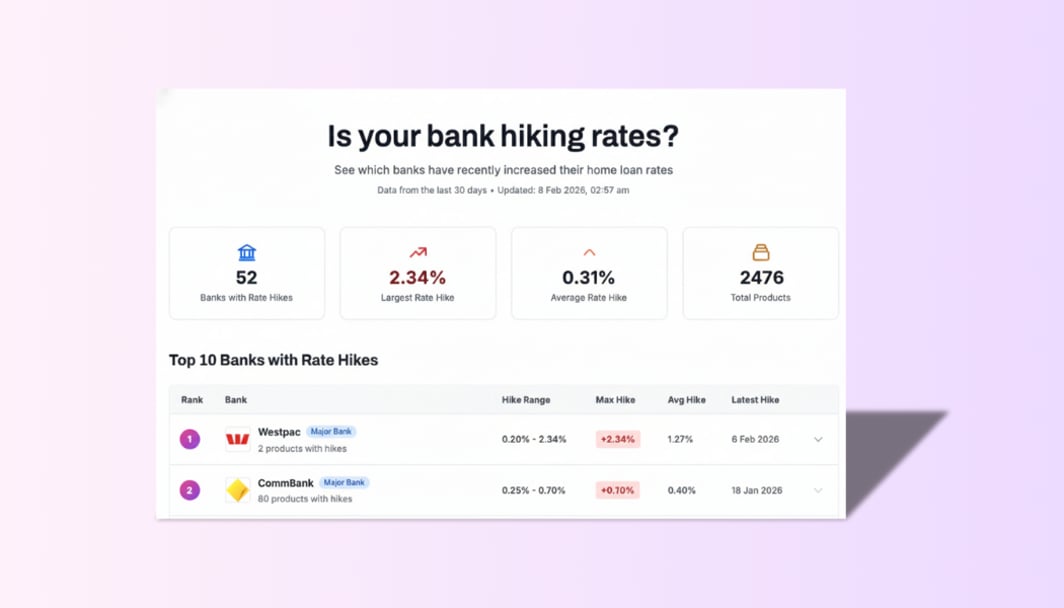
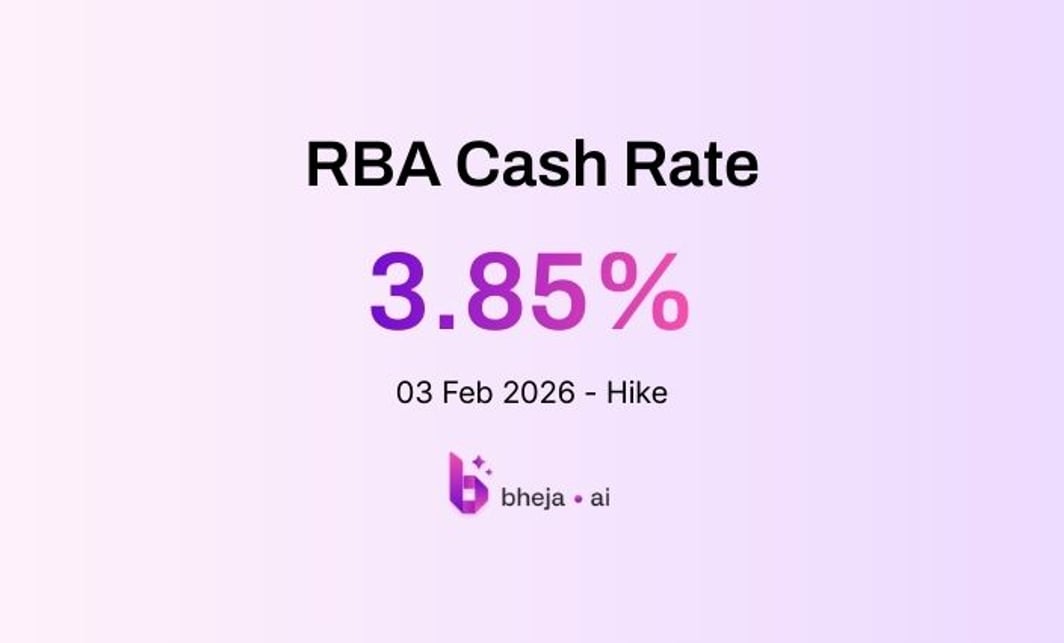
While 0.4% will generate concerning headlines, it's not enough to trigger an RBA pause. Trimmed Mean Inflation remains at 3.4%—well above the 2-3% target. The Feb 3 hike to 3.85% stands, and further tightening remains possible.
Why this creates your window:
Vendors will FEEL this data more than it justifies. They'll read "recession" headlines and absorb last weekend's 58% auction clearance rate in Sydney. Meanwhile, fundamentals remain unchanged:
- 175,000 dwelling shortage (still real)
- KPMG 7.7% price growth forecast (still valid)
- Supply constraints (still binding)
Your strategic edge = the gap between weak sentiment and strong fundamentals.
Immediate actions (updated):
- Properties sitting 30+ days are now your primary targets
- Prepare offers 7-10% below asking on mid-tier ($900k-$1.5M) properties
- Strong pre-approval + 30-day settlement = maximum vendor appeal
- Monitor this weekend's clearance rates—if Sydney drops below 55%, leverage increases further
Bottom line: We called it at 9am. ABS confirmed it at 12:30pm. Your 12-16 week negotiation window is now open.
The question is: are you positioned to act while the crowd is still reading headlines?
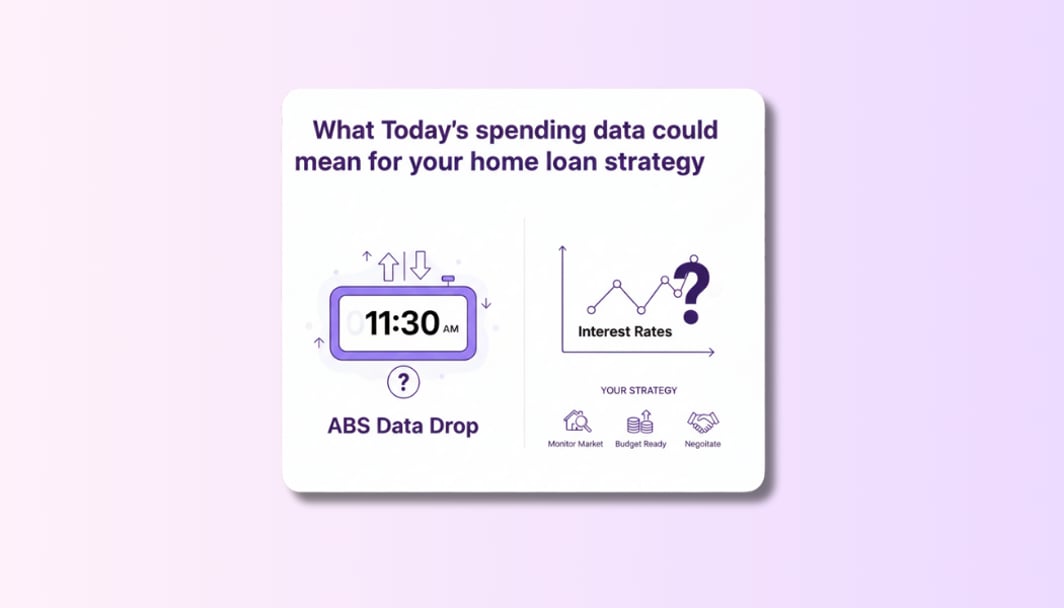
The ABS releases December household spending data at 11:30 am today. Here's why it matters for buyers—and what to do if the numbers confirm the slowdown.
Why Today's Release Matters
At 11:30 am AEDT, the ABS drops the Monthly Household Spending Indicator for December 2025. Economists are watching closely because early signals, retail trade figures, and consumer confidence indices suggest that discretionary spending may have softened after the "Black Friday high" faded.
Yet six days ago, the RBA raised rates to 3.85% because the trimmed mean inflation sits at 3.4%.
If today's data confirms a spending slowdown, it creates a market tension: seller sentiment will crack (recession headlines), but fundamentals haven't changed. KPMG still forecasts 7.7% price growth in 2026 due to a structural shortage of 175,000 dwellings.
Translation: A 12-16 week window where vendors feel uncertain, but the underlying supply shortage supports prices.
What to Watch For in the 11:30am Release
If discretionary spending fell 2%+ month-on-month:
- Expect media headlines about "consumer recession"
- Vendor confidence will weaken (watch auction clearance rates this weekend)
- Negotiation leverage increases for 30+ day listings
If spending held steady or grew:
- The RBA's February hike looks justified
- Seller confidence remains intact
- Your window narrows, act faster on entry-level ($600k-$900k) properties
Your Pre-Data Action Checklist
Don't wait for the numbers to start preparing:
1. Stress test at 7% NOW
If inflation persists, the RBA could hike to 4.10%. Calculate your maximum comfortable repayment at 7%, not today's rate.
2. Identify your target properties
Use realestate.com.au's filter for "Listed in last 90 days," sort by oldest first. Note which properties have been sitting 30+ days—if today's data shows weakness, these become prime negotiation targets.
3. Refresh your pre-approval
The Feb 3 rate hike cut average borrowing power by $ 30k to $40k. Get an updated number so you know exactly what you can bid.
The Strategic Window (If Data Confirms Slowdown)
Mid-tier ($900k-$1.5M): The sweet spot. If spending data is weak, properties sitting 30+ days could accept 5-10% below asking with strong pre-approval and quick settlement.
Entry-level ($600k-$900k): Government schemes (5% Deposit Scheme) are flooding this segment. Even weak spending data won't slow this much; the window is at most 6-8 weeks.
Premium ($1.5M+): Maximum leverage possible (10-15% below asking on 60+ day listings), but slower market overall.
The Bottom Line
If 11:30 am data show spending weakness, you get a 12-16 week window where seller sentiment cracks before KPMG's 7.7% growth forecast reasserts itself. Negotiate hard on 30+ day listings.
If the data show strength, the window narrows. Entry-level properties will see 8-9% growth quickly. Mid-tier negotiation leverage disappears by April.
Either way, the worst strategy is waiting for a crash that won't come. The structural shortage of 175,000 dwellings doesn't disappear because of one weak data print.
ABS Monthly Household Spending Indicator releases 11:30 am AEDT, Feb 9, 2026. Article published pre-release.